

One area drawing steady attention in peptide research is cognitive function. Researchers are studying how specific peptides may support the brain, from neuroplasticity and memory to stress, focus, and sleep. Here is an overview of what the research is exploring.
Key Research Areas
Neuroplasticity and cognitive function
Semax is one of the most studied peptides for focus, learning, and mental clarity. Research ties these effects to neuroplasticity, the brain’s ability to build new connections. A study examined how Semax raises BDNF and NGF, two growth signals tied to learning and memory, in the brain.
Stress and anxiety reduction
Selank is researched for a calm, steady state without the heavy sedation of older options. A 2018 review examined how Selank produces anti-anxiety and nootropic effects by modulating the GABA system, the brain’s main calming pathway. Researchers study it where lower stress meets steadier focus.
Neuroprotection and mental sharpness
Pinealon, also called EDR, is researched mainly for neuroprotection, shielding neurons from the oxidative stress that builds with age. A review linked Pinealon to reduced neuronal loss and to better memory and attention in older age groups. The throughline of the research is protecting the brain function you already have.
Sleep and circadian regulation
Epitalon is studied for sleep and circadian rhythm. It works through the pineal gland, the source of melatonin. A study found that Epitalon helped restore nighttime melatonin and normalize circadian rhythm in aging models and older adults. That connects it to sleep quality and the body’s internal clock.
Compound Spotlight
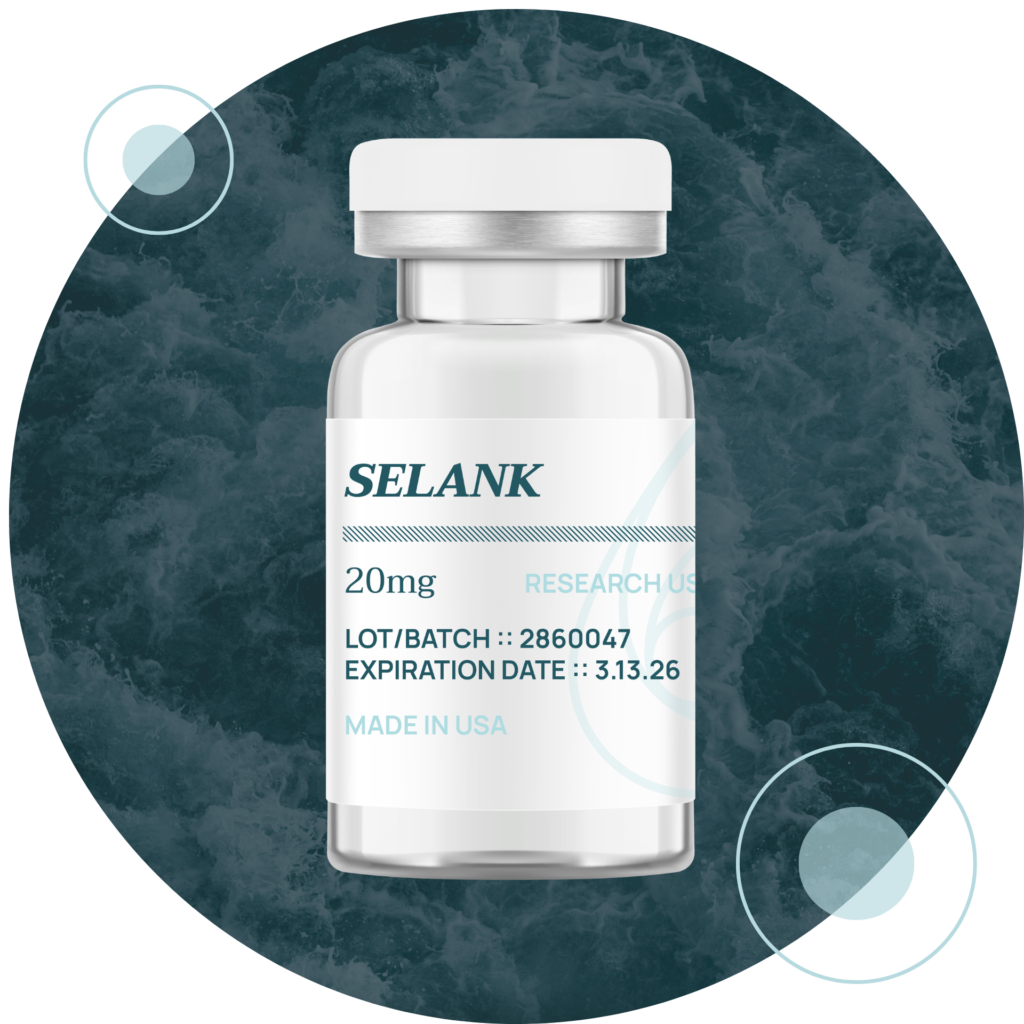
Selank
Selank is a synthetic heptapeptide based on the naturally occurring immunomodulator tuftsin. It is one of the most studied peptides in the context of stress and cognition. Research has focused primarily on its anxiolytic, or anti-anxiety, activity, along with its nootropic effects on attention and memory.
Studies have examined how Selank may influence the GABA system, the brain’s main calming pathway, acting as a positive modulator without the sedation associated with traditional anxiolytics.
Pinealon
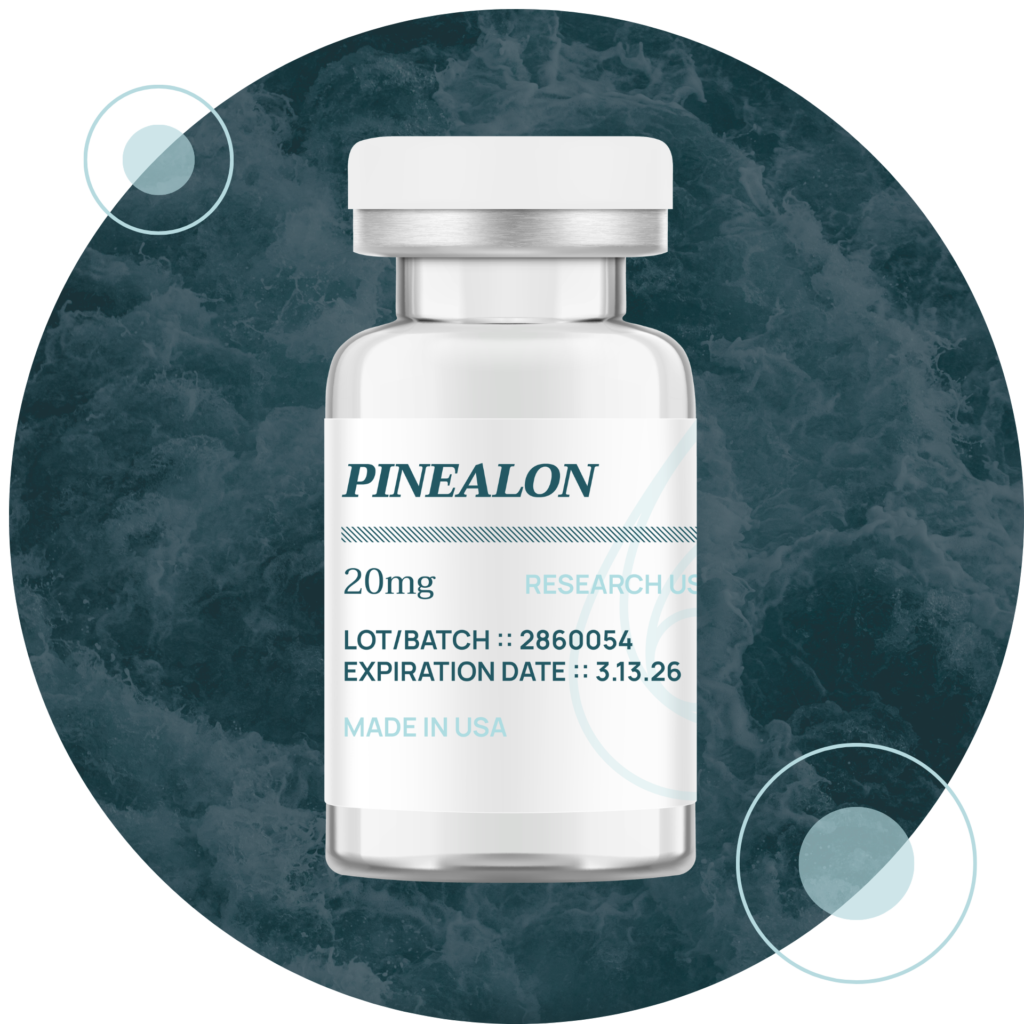
Pinealon was derived from a neuroprotective peptide preparation and is studied mainly in the context of brain aging. Research has focused primarily on neuroprotection, the protection of neurons under stress.
Studies have examined how Pinealon may support the brain’s antioxidant defenses, reducing the oxidative stress that accumulates with age. Preclinical research has also explored its proposed mechanism, in which the short peptide is thought to influence the expression of genes involved in neuronal survival.
Want Deeper Insights into Emerging Peptide Research?
Join our newsletter for early insights into emerging blends, research developments, and strategies shaping the future of peptide therapy.