


One area drawing consistent attention for peptide research is immune function. This article offers an overview of the compounds being studied, the biological mechanisms researchers are exploring, and a closer look at one of the most researched peptides in this space.
Key Research Areas
Immune resilience and aging
A 2025 review published in the International Journal of Molecular Sciences examined Thymosin Alpha-1’s potential role in addressing age-related immune changes, including its observed effects on T-cell differentiation and vaccine response in older populations. The research highlights it’s support immune function in the context of immunosenescence, the gradual decline of immune activity that occurs with age.
Oxidative stress and immune cell function
A randomized clinical trial published in PubMed examined whether supplementing glutathione precursors in older adults could improve oxidative stress, inflammation, and multiple aging hallmarks. The clinical trial observed meaningful reductions in key inflammatory markers, including IL-6 and TNF-alpha, alongside improvements in physical function.
Innate immune defense and infection resilience
A 2025 study published in Inflammation Research examined how LL-37 may help prevent the spread of local infection through multiple mechanisms, including pathogen neutralization and immune cell recruitment. Separately, a 2025 review examined LL-37’s modifications and emerging applications as researchers work to better understand its antimicrobial, antiviral, and immunomodulatory properties in clinical contexts.
Regulating Inflammation
A 2025 study published in Wiley’s MedComm examined Thymosin Alpha-1’s role in modulating key inflammatory markers, including its observed effects on interleukin-1β and interleukin-6 levels. Regulating inflammation opens a wide range of potential benefits in holistic and personalized medicine practices.
Compound Spotlight
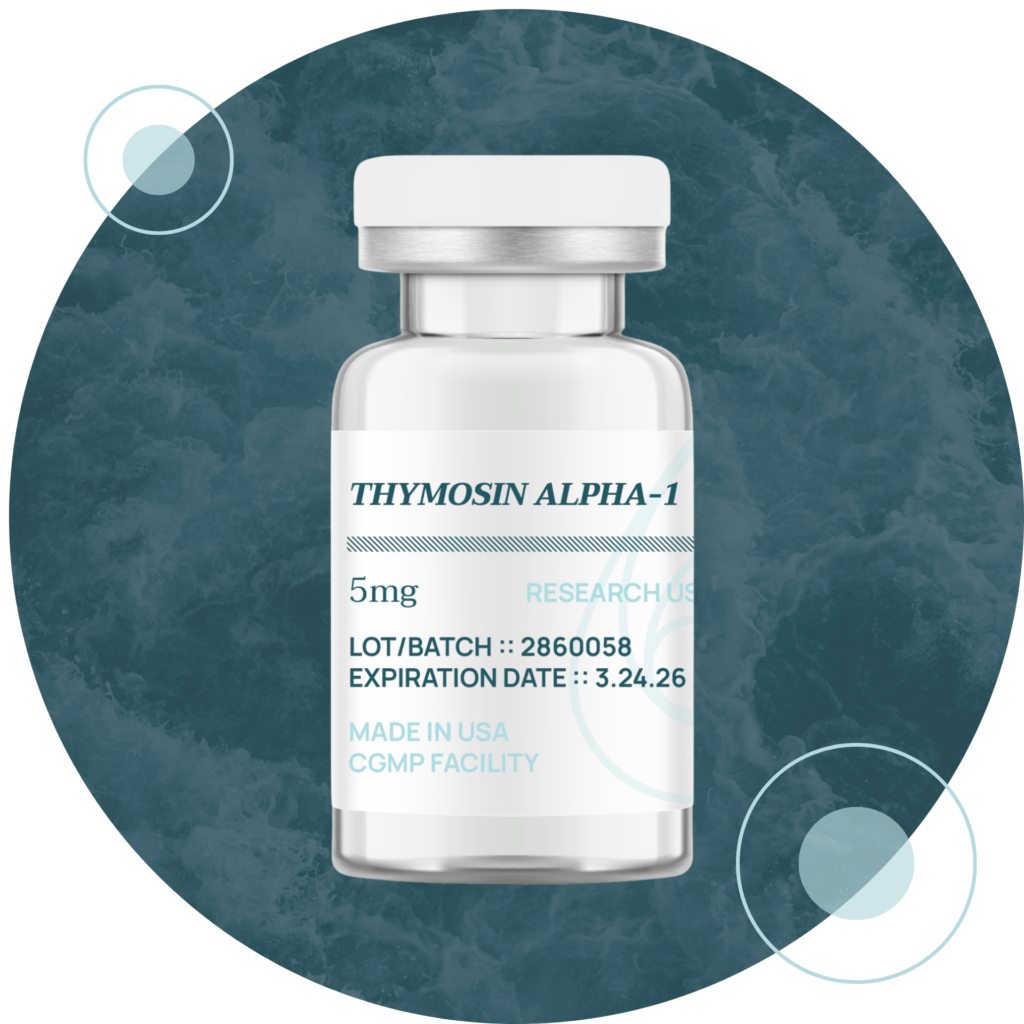
Thymosin Alpha-1
Thymosin Alpha-1 (TA1) is one of the most studied peptides in the context of immune function. It is a naturally occurring peptide derived from thymosin fraction 5. Research has focused primarily on its role in T-cell modulation.
Studies have examined how TA1 may influence T-cell maturation and activation, particularly in immunocompromised models. Preclinical and early clinical research has also explored its effects on immune signaling in the context of viral response and immunodeficiency.
More recent research has looked at TA1’s potential relationship to immune regulation in inflammatory contexts. Studies have examined its activity on dendritic cells and natural killer cells, pointing to a broader role in immune coordination than early research had characterized.
Want Deeper Insights into Emerging Peptide Research?
Join our newsletter for early insights into emerging blends, research developments, and strategies shaping the future of peptide therapy.